Blog
From Seeds to Science: Why Kids Belong in the Garden
Written by Stacey Arno, GCY member since 2024
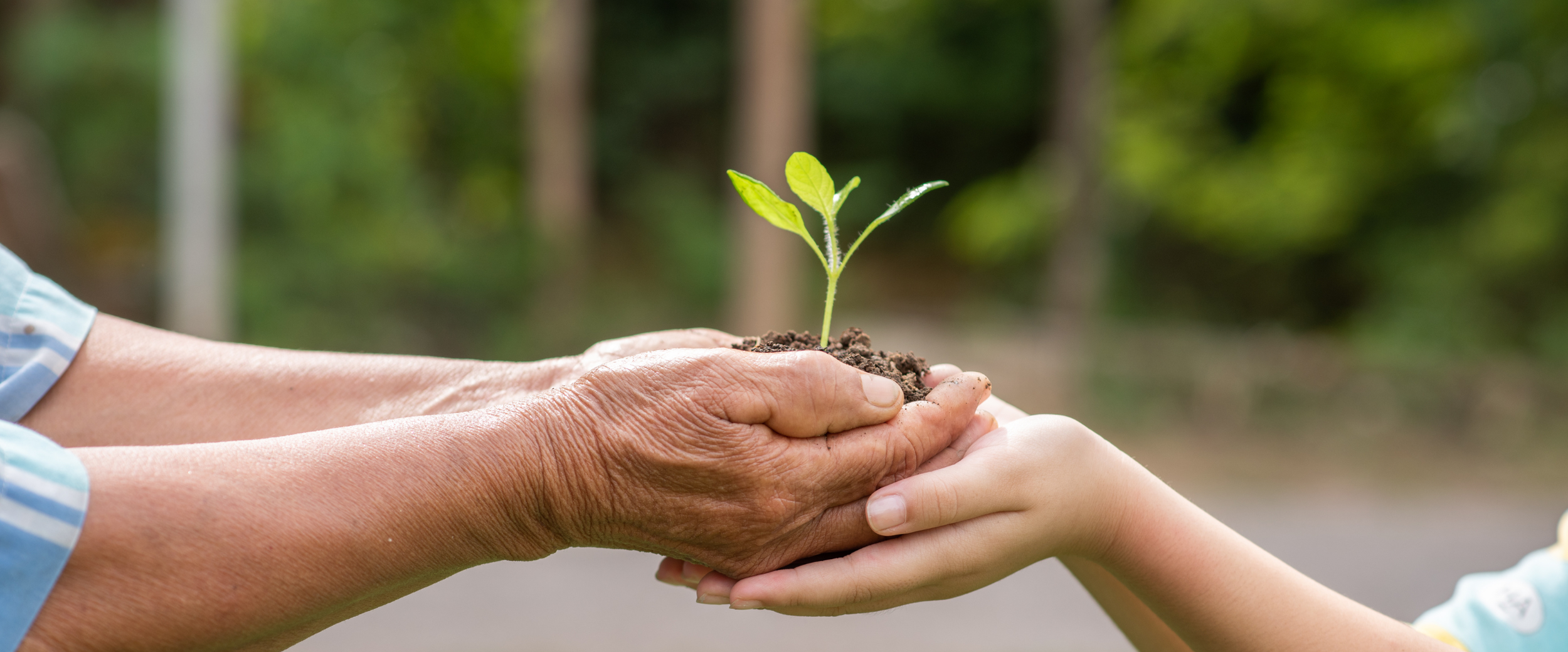
As a Middle School science teacher for many years, I’ve seen firsthand how students light up when science stops being something they read about and starts being something they experience. The place that happens most naturally? The garden!
When kids dig into soil, plant a seed, and watch life unfold day by day, they’re not just learning about plants - they’re learning biology, ecology, chemistry, and even physics in a way that feels real and exciting. In a world where many students spend most of their time indoors, the garden becomes a living lab where curiosity leads to discovery, questions become experiments, and confidence grows alongside the plants.
I believe parents - and grandparents - should bring children into the garden - it’s one of the easiest and most powerful ways to make science come alive.
And that’s a lesson that sticks!
Deer Repellent Recipe
Written by Nancy Fleurat, GCY member since 2018
4 Eggs
10 oz of Milk
6 oz of Elmer’s Glue
1.2 Tablespoons of Mint Oil
1.5 Gallons of Water
¼ Tablespoon of Xanthan Gum
1 Tablespoon of Potassium Sorbate
(1) 2-Gallon Container
Place everything into a blender, except the water, and mix for 5 minutes.
Pour ¾ of the mixture out of the blender and add water and blend well. Then strain into a 2-gallon container for storage. Repeat this process until the mixture is blended with the water.
Add any remaining water to the container and shake well. When ready to use, dilute 8-12 ounces of the mixture with a gallon of water in a sprayer.
Blooming into Spring
Written by Regina Hall, GCY member since 2022
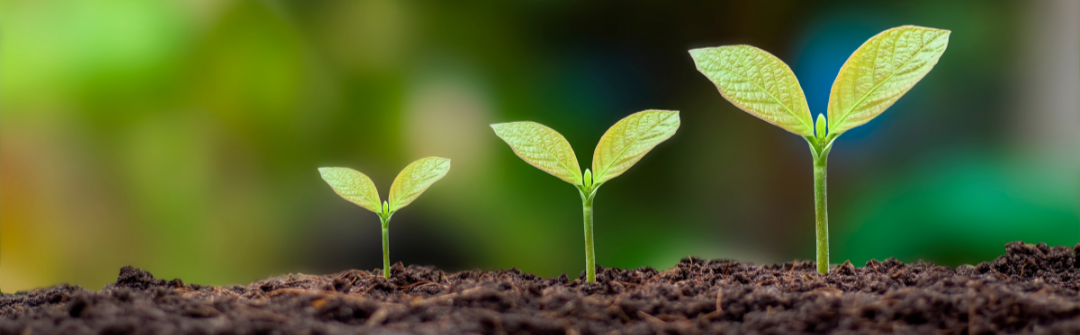
One way to get a jump on the season is to start seeds indoors during March or early April. For planting purposes, Yorktown is considered zone 7A, which means there won’t be a frost after May 15. When you buy seeds, the package will tell you how far in advance of the last frost date you could start seeds indoors. If you start seeds indoors, here are some guidelines. You need a small container(s). You also need soil, and “seed starting soil” is a good choice. Then moisten the soil, but don’t saturate. You also need a light source as many seeds need 10 or more hours of light. You might invest in a seed starting “grow light.” The seeds also need a warm environment (about 70+ degrees) to sprout. Be sure to label the containers. Write the name of the seed and the date you started. Now the fun begins. You have seeds, containers, moist soil, a light source, and a warm location. Put a few (about 3) seeds in each container. Many starter containers have plastic lids to hold in moisture (or try improvising a lid). The seeds usually take 1 to 2 weeks to sprout. Once that happens, get the grow-light going. After the plants have two sets of leaves, it’s time to select the healthiest one and cut back any others. Make sure to keep the soil moist (not wet) by misting every few days. Other than keeping the soil moist, sit back and enjoy! You’ll be fascinated to watch the seeds take-off, grow, and eventually move out. Congratulations on a job well done!
Leave the Seedheads

Written by Guest User
Though I have removed last year’s Aster seed stalks that have flopped over and lay on the ground, I have resisted cutting down last year’s Coneflower stalks (Echinacea purpurea) for a couple of reasons. The first reason is that, as you can see in the photo above, birds are still relying on last year’s seeds for nourishment as they prepare to nest, lay eggs, start raising their young. There aren’t that many seeds left, as the birds have been eating them over the winter, but there are birds, especially goldfinches, that will seek out remaining seeds during the lean, early spring months.
The second reason to leave the stalks is that some species of overwintering bees use perennial stalks to house their offspring over the cold winter months and not all bees have emerged from their winter homes in April. Bees will be emerging over the next month or so and we need to help them survive if we are going to reverse the disastrous trend of declining bee populations. Remember, no bees, no food. We need bees and other pollinators to thrive if we, ourselves, are to thrive. So, please try to resist cutting down native perennial stalks, or at least lay them on the ground in the same bed, so that the stalks can nurture the soil and any bees residing in them can emerge unharmed when they are ready. As the new plant growth rises, the stalks on the ground will be hidden from view and will create a mulch-type layer that protects the soil as it nourishes it.